Inflation Resurges as Geopolitical Tensions Disrupt Global Supply Chains
The U.S. economy is confronting a troubling paradox: while demand remains resilient and employment figures show strength on the surface, persistent inflationary pressures are beginning to squeeze corporate profitability and dampen business confidence. The Institute for Supply Management's non-manufacturing purchasing managers' index fell to 54.0 in March from 56.1 in February, signaling a deceleration in the services sector that accounts for more than two-thirds of U.S. economic output. More concerning, the survey's measure of prices paid by businesses jumped 7.7 points to 70.7—the largest increase in more than 13 years—reflecting the cascading economic impact of the ongoing Iran conflict and its disruption to global energy markets.
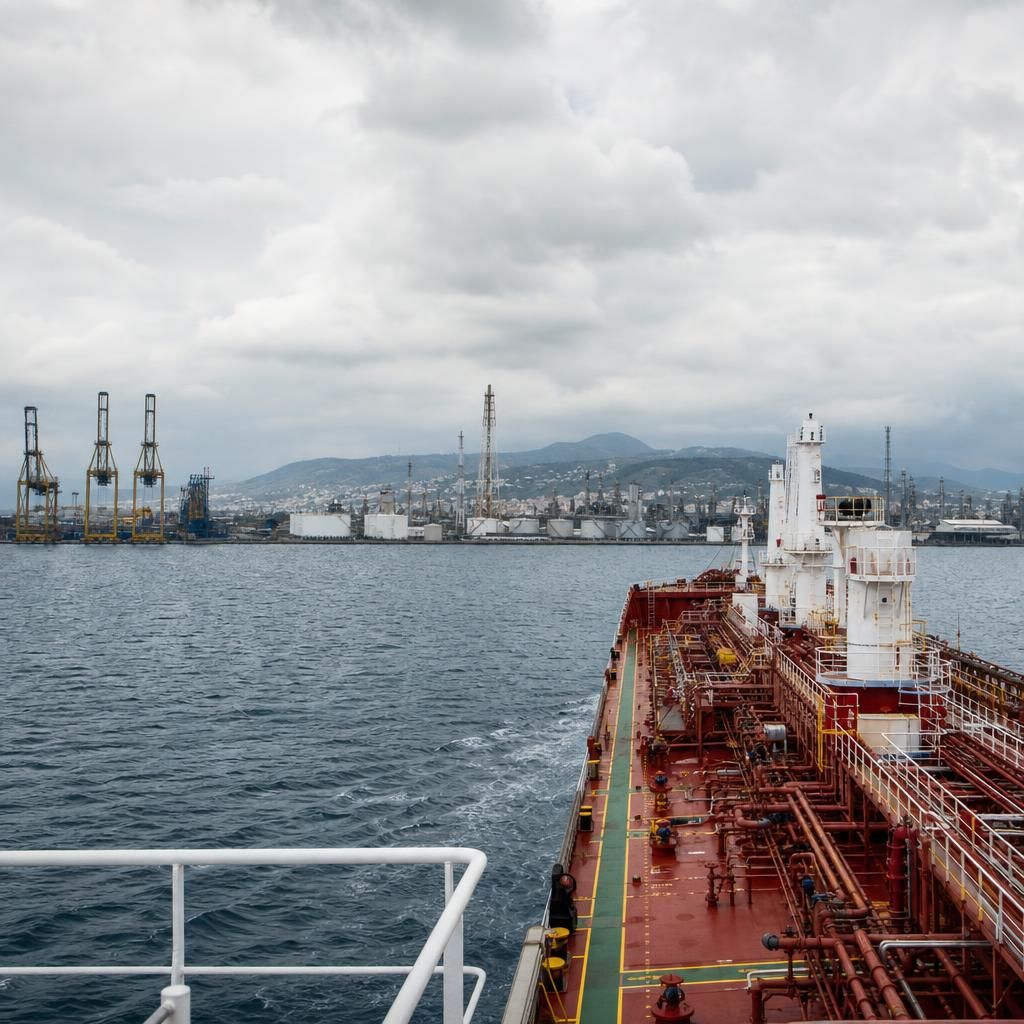
The geopolitical dimension of this inflation spike cannot be overstated. Since the conflict began on February 28, Brent crude oil futures have rocketed approximately 57%, climbing from $70 per barrel to $110 per barrel. This energy shock has rippled through the entire economy: U.S. gasoline prices have surged 38% from $2.98 to $4.12 per gallon, marking the first time prices have exceeded $4 per gallon in nearly four years. For businesses dependent on transportation and logistics, these cost increases represent an immediate and substantial margin compression.
Corporate Earnings Face Headwinds Despite Demand Strength
The disconnect between demand indicators and cost pressures creates a precarious situation for corporate earnings. The S&P 500 is projected to achieve a 13.2% earnings growth rate in Q1 2026, potentially marking its sixth consecutive quarter of double-digit year-over-year gains. However, this projection may prove optimistic if input cost inflation persists. Airlines exemplify the challenge: according to ISM survey respondents, recent fuel price increases have resulted in significantly higher operational costs compared to pricing just one month prior, with no corresponding ability to immediately pass these costs to consumers without risking demand destruction.
JPMorgan Chase CEO Jamie Dimon articulated the broader concern in his recent shareholder letter, warning that the Iran conflict creates