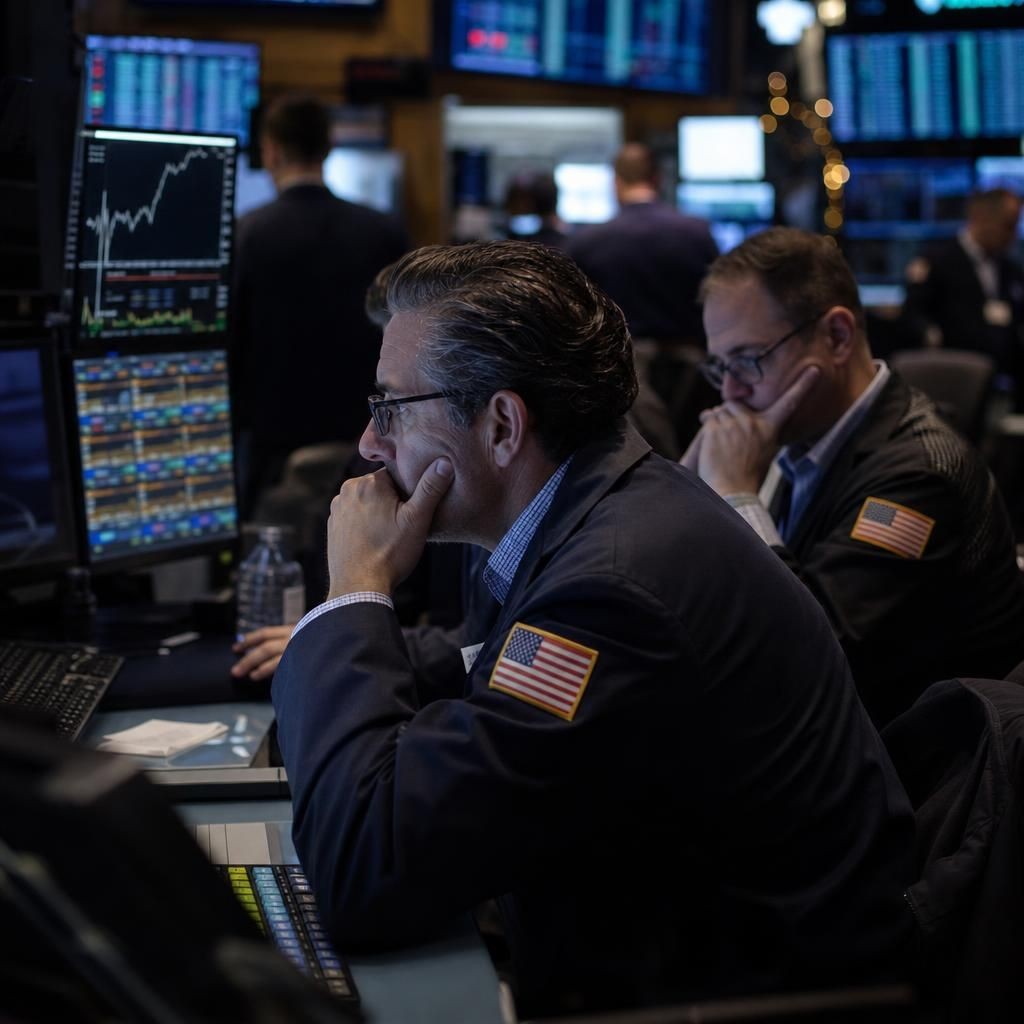
Fed Holds Steady at Powell's Final Meeting, But Hawkish Dissents Signal Policy Shift Ahead
The Federal Reserve concluded its April meeting with interest rates unchanged at 3.75%, delivering the widely expected outcome but with a notably hawkish undertone that caught market participants' attention. Chair Jerome Powell's final meeting as Fed chair revealed a committee increasingly divided over policy positioning, with three Reserve Bank Presidents dissenting in favor of removing the easing bias from the policy statement, even as they supported maintaining current rates. This internal friction signals a potential shift in the Fed's policy trajectory that could reshape expectations for rate cuts throughout 2026.
The dissents from Reserve Bank Presidents Hammack, Kashkari, and Logan represent a meaningful escalation in hawkish sentiment within the committee. While Fed Governor Miran cast the sole dissent in favor of an immediate rate cut, the three votes against the easing bias carry greater strategic weight. These dissents suggest growing concern within the Fed's leadership that maintaining an implicit easing bias may be premature given persistent inflation pressures and geopolitical uncertainties. The result is a policy statement that technically retained its easing bias but with a decidedly hawkish tilt that contradicts the dovish messaging markets had anticipated.
Inflation Remains the Central Constraint on Rate Cut Timing
Powell's remarks during the post-meeting press conference provided crucial insight into the Fed's inflation calculus. The chair emphasized that rate cuts remain unlikely until the Fed observes meaningful progress on tariff-driven inflation and the